
Tiffany Paige
Licensed Real Estate Advisor · July 21, 2026 · 6 min read
One of the questions I hear most often from people considering a move to San Miguel de Allende is surprisingly simple:
“What's the water situation really like?”
It's an important question, and one that deserves an honest answer.
The reality is that San Miguel de Allende, like much of central Mexico, faces significant water challenges. It's also true that our community has become a leader in developing innovative solutions. Understanding both sides of the story is essential.
The Challenge
San Miguel sits within the Upper Río Laja Watershed, where more than 740,000 people rely primarily on groundwater.
For years, that groundwater has been declining by as much as seven feet annually in some areas, as demand continues to outpace natural recharge. As water levels drop, the remaining groundwater often contains elevated concentrations of naturally occurring arsenic and fluoride.
These aren't contaminants caused by pollution. They occur naturally in the region's geology but become increasingly concentrated as aquifers are depleted.
Both arsenic and fluoride are recognized by the World Health Organization as significant public health concerns when present in drinking water above recommended levels.
Long-term exposure has been linked to conditions including:
- Dental fluorosis
- Skeletal fluorosis
- Chronic kidney disease
- Developmental and learning impairments in children
- Increased risk of certain cancers
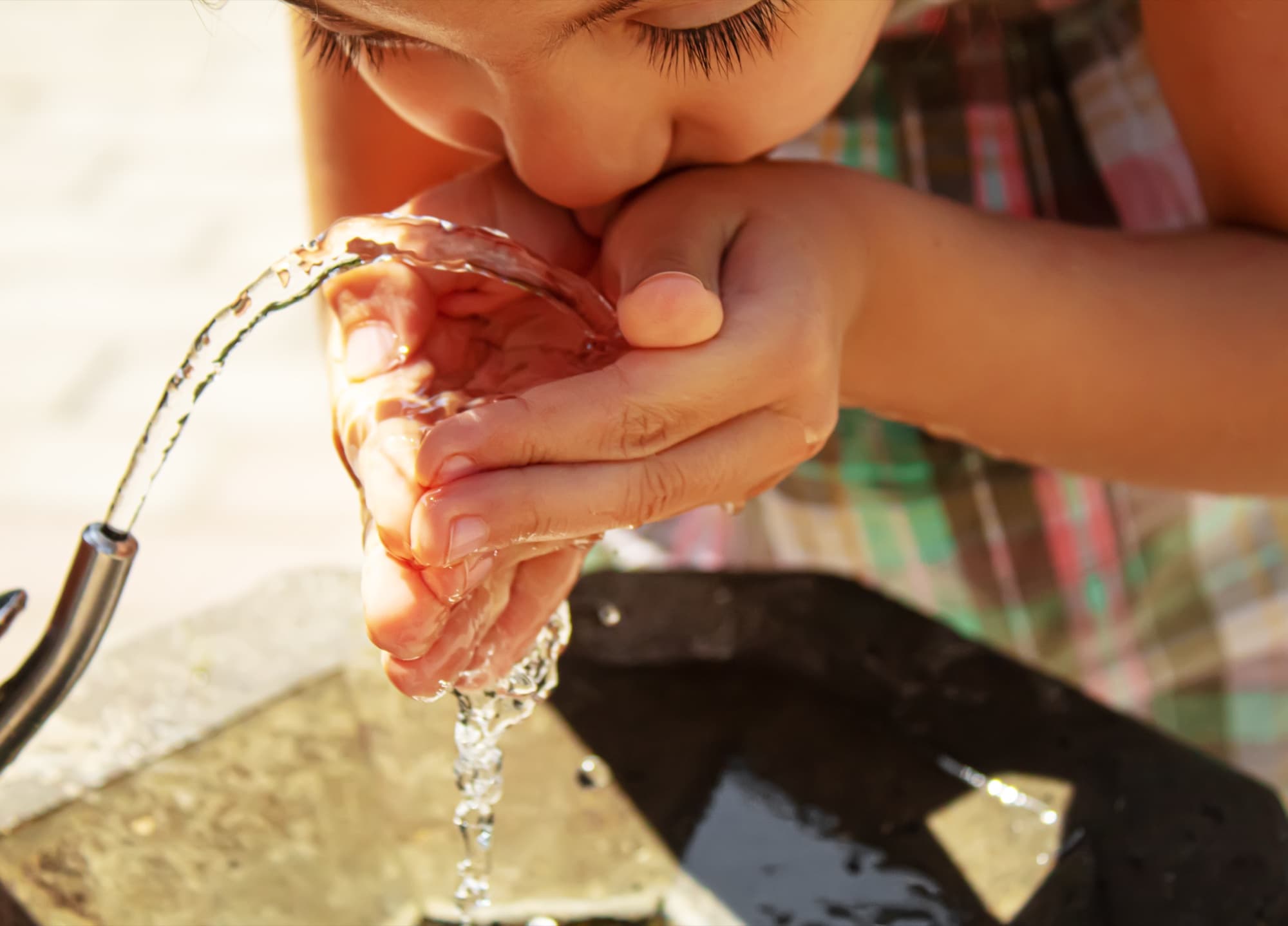
Children are particularly vulnerable because their developing bodies absorb these minerals more readily than adults.
It's More Than a Water Issue
This isn't simply about what comes out of the tap.
It's a public health issue, an environmental issue, and a community issue.
Across the region, some rural wells have gone dry as groundwater levels continue to fall, forcing families to travel farther for water or depend on more expensive alternatives.
At the same time, the aquifers themselves continue to experience increasing stress from population growth, agriculture, and climate pressures.
The Good News
One of the things I admire most about San Miguel is that this community hasn't ignored the problem.
Instead, local organizations, researchers, engineers, and residents have come together to create practical solutions.
One of the most respected organizations leading this work is Caminos de Agua, a nonprofit based right here in our region.
Since 2012, Caminos de Agua has focused on improving public health through affordable access to clean drinking water. Their work combines scientific research with community partnerships to create solutions that are both effective and sustainable.
Among their accomplishments:
- Water quality monitoring at more than 1,100 locations throughout the watershed.
- Clean water technologies that have directly benefited more than 50,000 people.
- Nearly 1,400 rainwater harvesting systems constructed alongside community partners.
- Award-winning groundwater treatment systems capable of removing arsenic and fluoride at the community level.
Their work has become a model not only for Mexico, but for water-stressed communities around the world.
What About Homes in San Miguel?
This is often the next question buyers ask.
The answer depends on the individual property.
Many homes in San Miguel use one or more of the following:
- Whole-house filtration systems
- Reverse osmosis drinking water systems
- UV purification
- Rainwater harvesting systems
- Bottled or purified drinking water delivery
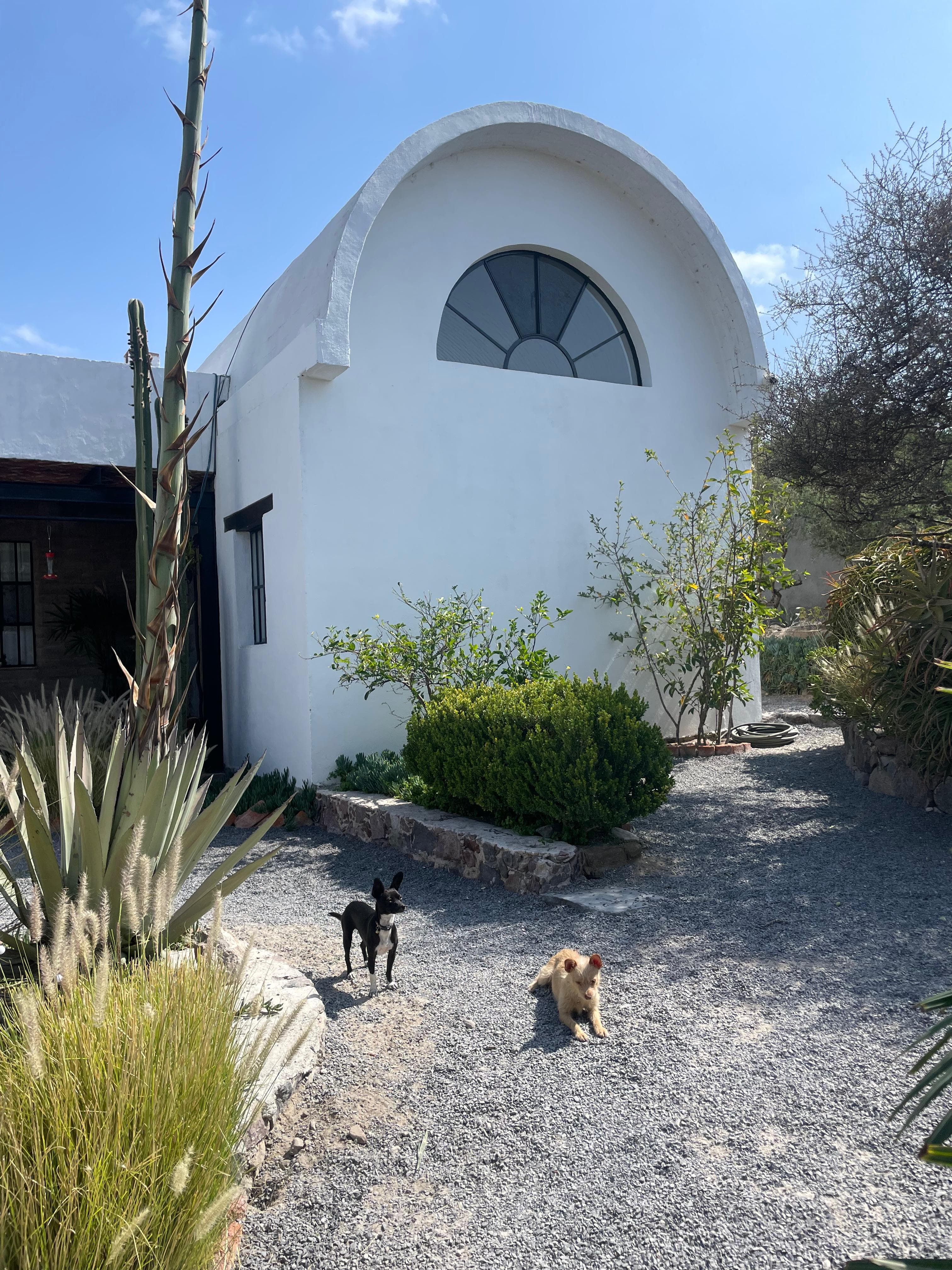
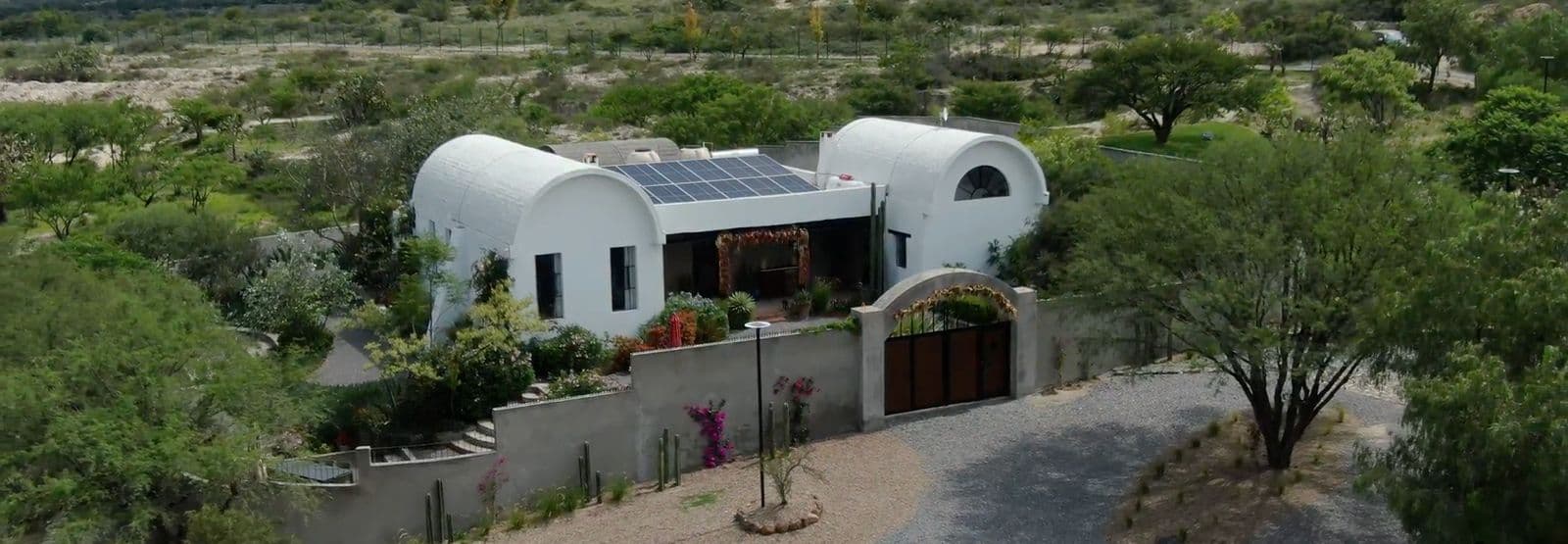
Many newer homes, including a growing number of off-grid and environmentally focused properties, are designed with water conservation and treatment in mind from the beginning.
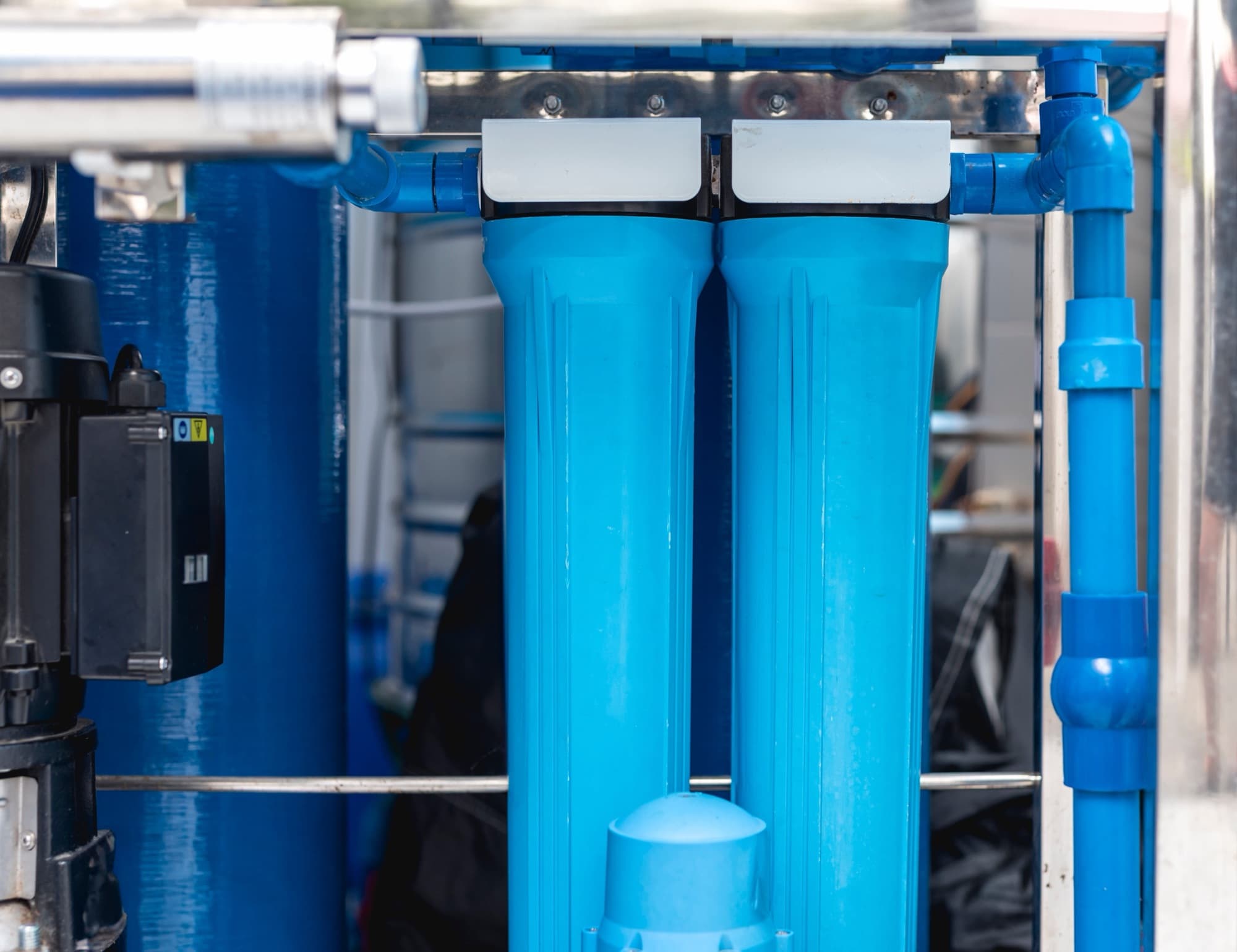
When I show homes, water is part of the conversation. We talk about where the water comes from, how it's stored, what filtration systems are installed, and what ongoing maintenance looks like.
Should You Be Concerned?
You should be informed.
That's different from being alarmed.
Millions of people around the world live in regions with naturally occurring water quality challenges. What matters is understanding your home's water source and ensuring appropriate treatment for drinking and cooking water.
Like learning about healthcare, residency, or property ownership, understanding water is simply part of becoming an informed resident of San Miguel.
Learning More
If you're interested in understanding your home's water quality, or simply learning more about the region's water resources, I highly recommend exploring the work of Caminos de Agua.
Their research, interactive water quality maps, educational programs, and community initiatives have become an invaluable resource for anyone who wants to better understand one of the most important environmental issues facing our region.
The more we understand our water, the better equipped we are to protect both our own health and the future of this remarkable place we call home.
Sources & Resources
This article is based primarily on the research, educational materials, and publicly available information published by Caminos de Agua, including information about the Upper Río Laja Watershed, groundwater depletion, arsenic and fluoride contamination, rainwater harvesting, groundwater treatment technologies, and water quality monitoring.
To learn more, explore these excellent resources:
- Caminos de Agua - Home
- Urban Water Initiative
- Learn More about the Water Crisis
- What Can You Do? (Educational Resources)
I encourage anyone considering a move to San Miguel de Allende to spend some time exploring their work. It offers one of the most comprehensive and science-based looks at the region's water challenges and, perhaps more importantly, the innovative solutions helping build a healthier and more sustainable future.
Share this post
Questions About a Specific Property?
Every home in San Miguel has its own water setup, and every buyer has different priorities. If you're evaluating a property and want to understand its water sources, filtration, and storage, I'm happy to help.
Start a Conversation →Tiffany Paige
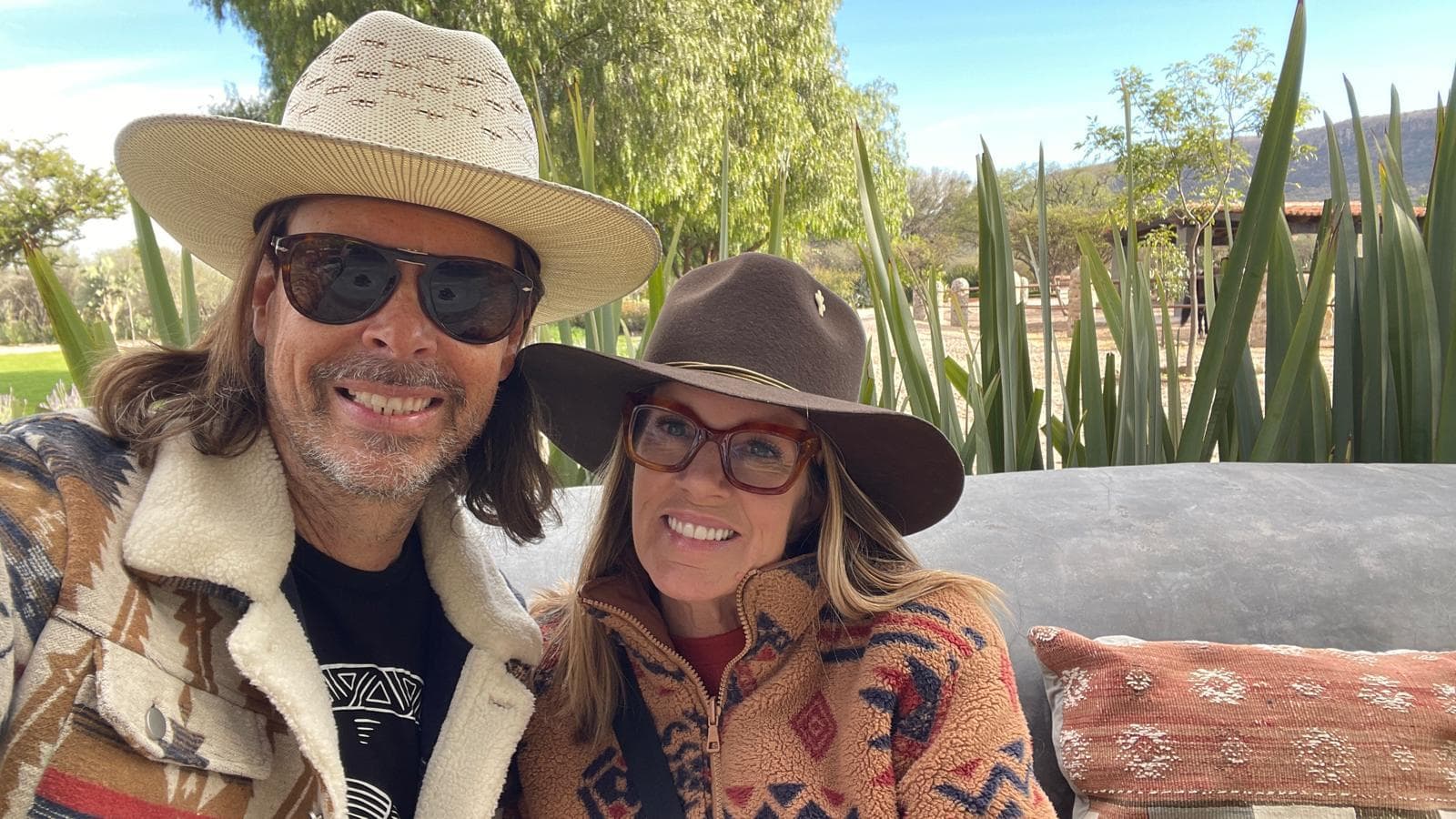
Licensed Real Estate Advisor at The Agency San Miguel de Allende. After careers in global brand strategy and design across London, New York, and Chicago, Tiffany and her husband built their off-grid home in San Miguel and never looked back.